
Antifungal Textiles Formed Using Silver Deposition in Supercritical Carbon Dioxide
Supercritical CO2 processing can be used to infuse textiles used in hospitals with silver nanoparticles, giving them profound antifungal properties.
Supercritical CO2 processing can be used to infuse textiles used in hospitals with silver nanoparticles, giving them profound antifungal properties.
In this clinical study, published in the Digest Journal of Nanomaterials and Biostructures, researchers from the Metallurgical and Material Science Engineering Department at Dokuz Eylul University in Turkey documented that colloidal silver nanoparticles in very low concentrations (i.e., 2-4 ppm) and at particle sizes of approximately 20-45 nm demonstrated a pronounced antibacterial effect against Escherichia coli, Staphylococcus aureus, Candida albicans, Bacillus subtilis, Salmonella typhimurium, Pseudomonas aeruginosa and Klebsiella pneumoniae.
In this study published in 2010 in the Journal of Experimental & Clinical Cancer Research, the study authors decided to test colloidal silver against human breast cancer cells. According to the study authors, “The aim of this study was to determine if colloidal silver had cytotoxic effects on MCF-7 breast cancer cells and its mechanism of cell death.”
This clinical study, published in September 2010 in the International Journal of Nanomedicine, confirms the antitumor properties of silver nanoparticles, and suggests they may be a cost-effective alternative in the treatment of cancer.
In a six-month study (Sept. 2011 to March 2012) funded by the Danish Environmental Protection Agency, carried out by the Danish Technological Institute and published by the Danish Ministry of the Environment, it was found that nanosilver in textiles including various forms of clothing as well as cleaning cloths and children’s toys pose “no risk of health effects or environmental effects.”
This is a groundbreaking clinical study concluding that silver nanoparticles might be effective in the prevention or treatment of asthma. According to the study authors, “Our study suggests that oxidative stress is an important determinant of allergic airway disease and that silver NPs attenuated oxidative stress in the murine asthma model.
Axen 30, a commercial disinfectant product consisting of a stabilized form of electrically generated ionic silver, demonstrated efficacy against Campylobacter jejuni and therefore meets the requirements set forth by the U.S. EPA for disinfectant label claims. This essentially means the ionic silver solution killed this well-known food poisoning bacteria within exposure periods of two and five minutes.
In this study, published in November 2005 in the journal, Applied and Environmental Microbiology, researchers examined the bactericidal function of silver ions, using Escherichia coli as a model microorganism.
The famous BYU study demonstrating the ability of a colloidal silver solution to boost the effectiveness of antibiotic drugs against drug-resistant microbes.
Silver nanoparticles shown to be effective broad-spectrum biocides against a variety of drug-resistant bacteria.
In this clinical study, published in the journal Colloids and Surfaces B Biointerfaces in June 2013, researchers investigated the in vitro toxicity of silver nanoparticles on the MCF-7 breast cancer cell line.
In this clinical study, published in the journal Colloids and Surfaces B Biointerfaces in April 2015, researchers used silver nanoparticles synthesized with Abutilon indicum leaf extract and evaluated their biological effects on human colon cancer cells (COLO 205).
Dr. Bob Beck’s classic treatise on healing with electromedical devices and colloidal silver.
In this clinical study, titled “In Vitro Anticancer Activity of Au, Ag Nanoparticles Synthesized Using Commelina nudiflora L. Aqueous Extract Against HCT-116 Colon Cancer Cells,” published in the journal Biological Trace Element Research in March 2016, researchers tested both gold and silver nanoparticles against HCT-116 colon cancer cells, and found that both types of nanoparticles demonstrated “reduced cell viability and increased cytotoxicity at concentrations of 200 ppm and 100 ppm respectively.”
Silver nanoparticles prevent blood from clotting in animal model and in vitro.
In this clinical study, published in the International Journal of Stomatology in 2010 (Vol. 37, Issue 3), researchers using a colloidal silver gelatin sponge called Gelatamp studied 227 patients with third molar pericoronitis, which is an infection and inflammation of the soft tissues, gingiva and dental follicle around the molar tooth.
In this clinical study, published in the European Journal of Biomedical and Pharmaceutical Sciences, researchers tested the anti-cancer properties of colloidal silver and silver nanoparticles stabilized by chitosan.
Colloidal silver was found to be effective against drug-resistant Staphylococcus aureus, Escherichia coli, Pseudomonas aregnosa and Salmonells typhi.
In this study, published in the journal Medical Engineering & Physics, the researchers used a unique method to create a stable colloidal silver solution consisting of both silver nanoparticles and silver ions. The solution was then tested for antimicrobial effect against Staphylococcus aureus.
An 11-year old Cystic Fibrosis victim with multi-drug resistant Burkholderia multivorans and Stenotrophomonas maltophilia responds to colloidal silver.
The 1915 study published in the Transactions of the American Association of Obstetricians and Gynecologists, Vol. XXVIII, demonstrating electrically generated colloidal silver to be effective against blood-borne infections (i.e., sepsis).
In this clinical study, published in the journal Advances in Natural Sciences: Nanoscience and Technology, researchers found that colloidal silver nanoparticles were extremely effective against two key forms of gastrointestinal bacteria responsible for serious infections, i.e., Escherichia coli (ATCC 43888-O157:k-:H7) and Vibrio cholera (O1).
In this clinical study, published in the journal Colloids and surfaces. B, Biointerfaces in February 2015, researchers demonstrated that when silver nanoparticles are added to anti-leukemia drugs, the silver improved the effectiveness of the drugs by amplifying oxidative stress on the leukemic cancer cells.
This is a U.S. patent explaining a simple method for using colloidal silver to treat skin problems and topical infections in tropical or decorative fish, including the amounts of colloidal silver to add to the tank each day during treatment time, the level of silver that needs to be reached in the tank for maximum effectiveness, other necessary maintenance and care, as well as expected results.
In this study, published in the journal International Forum of Allergy & Rhinology in March 2014, the study authors begin by explaining that a patient with a “previously recalcitrant Staphylococcus aureus-infected chronic rhinosinusitis” began using a colloidal silver product as a nasal spray, and experienced marked improvement.
PLUS Yours FREE: The New Colloidal Silver Safe Dosage Manual (updated to 170 pages – eBook)
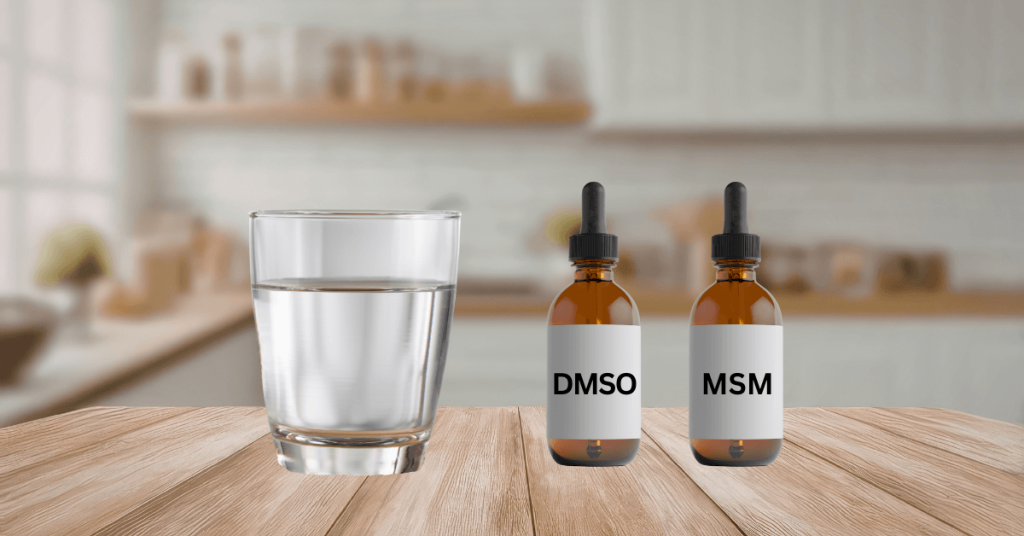
One of the most common questions we receive is: Can you mix DMSO and colloidal silver? The short answer is yes, you can. The better
If you’re making colloidal silver at home, one factor matters more than most people realize: distilled water quality. Not all distilled water performs the same.

(And Why Many Colloidal Silver Users Are Staying Calm) As we move into the winter of 2025–2026, health agencies across the US, UK, and Europe
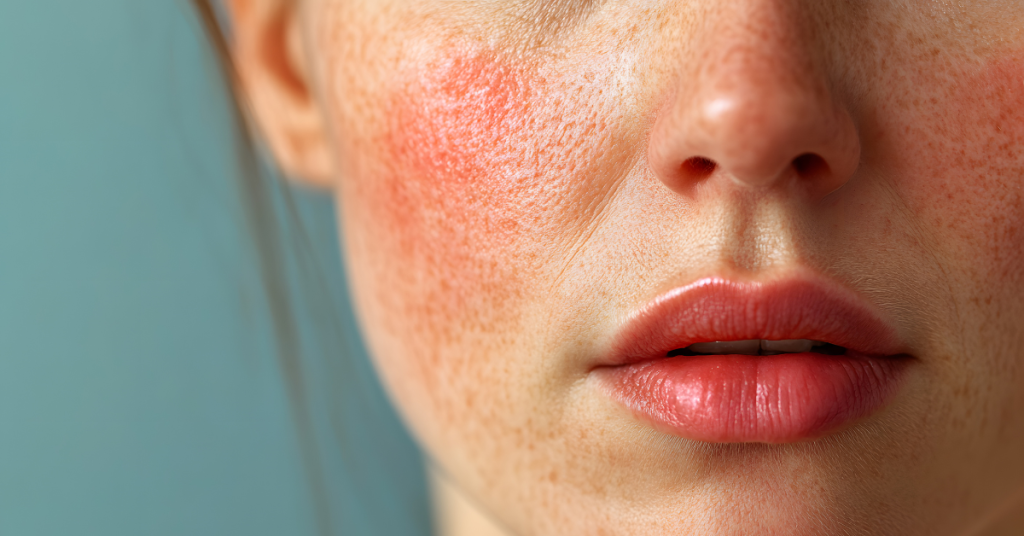
What Science Reveals About Natural Relief for Facial Redness, Inflammation, and Bacterial Triggers Rosacea — a chronic inflammatory skin condition characterized by facial redness, visible