
In This Article
What Science Reveals About Natural Relief for Facial Redness, Inflammation, and Bacterial Triggers
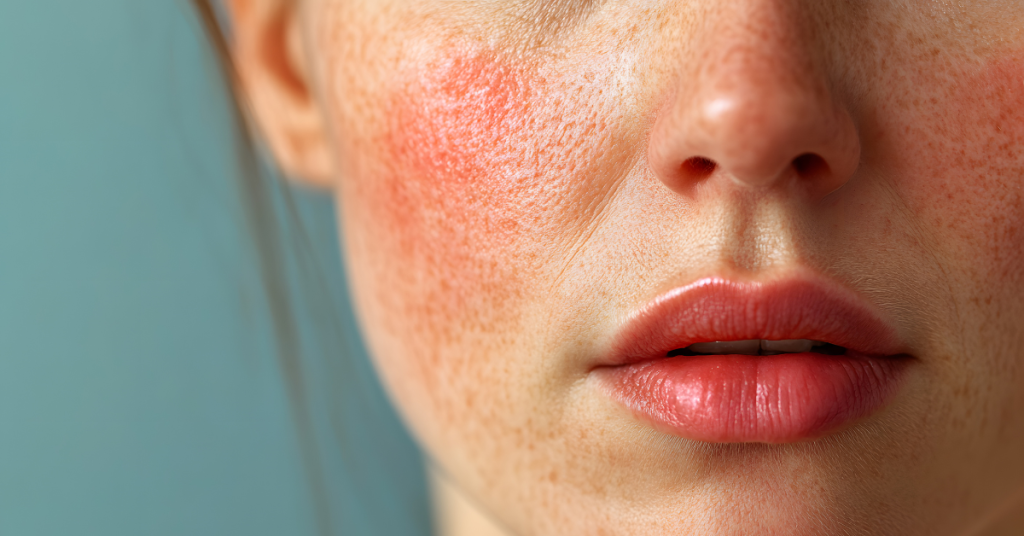
Rosacea — a chronic inflammatory skin condition characterized by facial redness, visible blood vessels, and sometimes painful papules and pustules — affects an estimated 16 million Americans and as many as 415 million worldwide.
Despite its prevalence, this often misunderstood condition remains frustratingly difficult to treat, with conventional therapies offering only symptom management rather than addressing root causes.
What many people struggling with rosacea don’t realize is that emerging research increasingly points to hidden bacterial and parasitic infections as potential triggers or causative factors in this distressing skin disorder. More specifically, scientists have identified Demodex mites and their associated bacteria — including Bacillus oleronius and Staphylococcus epidermidis — as key players in the inflammatory cascade that characterizes rosacea.
This is where colloidal silver enters the picture.
With its well-documented antimicrobial and anti-inflammatory properties, backed by thousands of years of medicinal use and supported by modern research, colloidal silver may offer a natural approach for addressing both the infectious and inflammatory components of rosacea.
Understanding Rosacea: More Than Just “Red Face”
Rosacea is a chronic facial dermatosis that predominantly affects the central regions of the face — the cheeks, nose, chin, and forehead. The condition typically presents with several characteristic features:
- Persistent facial redness (erythema) that may come and go or remain constant
- Visible blood vessels (telangiectasia) appearing as fine red lines on the skin
- Inflammatory papules and pustules that resemble acne, but without blackheads
- Skin thickening (phymatous changes), particularly on the nose, in severe cases
- Eye involvement (ocular rosacea) causing burning, itching, and sensitivity
According to medical research, rosacea affects 5.5% of the global population, with prevalence rates reaching 10% or higher in fair-skinned populations. The condition typically emerges in adults over 30 and tends to affect women more frequently than men, though men often experience more severe symptoms when afflicted.
While conventional treatments include topical antibiotics like metronidazole, oral antibiotics such as tetracycline, and various anti-inflammatory medications, these approaches rarely provide complete relief and often come with unwanted side effects. Furthermore, they typically only manage symptoms rather than addressing underlying causes.
The Hidden Infectious Component of Rosacea
One of the most significant breakthroughs in rosacea research over the past two decades has been the mounting evidence that this condition may fundamentally be a bacterial disease linked to microscopic parasites living on facial skin.
Demodex Mites: The Uninvited Guests
Demodex folliculorum and Demodex brevis are microscopic mites that naturally inhabit human facial skin, typically residing in hair follicles and sebaceous glands. While these mites are present on virtually everyone’s skin, research has consistently shown that people with rosacea have significantly higher Demodex populations.
Studies have demonstrated Demodex densities in rosacea patients ranging from 10.8 mites per square centimeter compared to just 0.7 per square centimeter in controls — representing more than a 15-fold increase. The mites are most plentiful in the same facial regions most commonly affected by rosacea: the cheeks, nose, chin, and forehead.
The Bacterial Connection
Recent research has revealed that the problem may not be the Demodex mites themselves, but rather the bacteria they carry. Scientists have identified Bacillus oleronius — a bacterium isolated from Demodex mites in rosacea patients — as a key inflammatory trigger. In studies, B. oleronius stimulated an inflammatory response in 79% of patients with papulopustular rosacea.
Additionally, Staphylococcus epidermidis, a bacterium normally present on skin, has been isolated predominantly from the pustules of rosacea patients but not from unaffected skin. These bacteria may be transported around the face by Demodex mites, spreading inflammation as they go.
Some researchers have also investigated links between rosacea and Helicobacter pylori (the bacterium associated with stomach ulcers), as well as small intestinal bacterial overgrowth (SIBO), though these connections remain under investigation.
The significance of these bacterial findings is underscored by an important clinical observation: antibiotics effective against these specific bacteria (particularly tetracycline-class drugs and metronidazole) are among the most successful conventional treatments for rosacea.
Silver’s Ancient Legacy in Skin Healing
The use of silver for treating skin conditions and infections dates back millennia. Hippocrates, the “Father of Medicine,” taught around 400 B.C. that silver aided skin and tissue repair. In his treatise “On Ulcers,” he listed silver in powder form as a primary treatment for ulcerations of the skin.
Pliny the Elder, in his monumental work Natural History (78 A.D.), reported that “the residue of silver… has healing properties as an ingredient in plasters, being extremely effective in causing wounds to close up.”
During the early 1900s through the 1940s, before the widespread adoption of antibiotic drugs, silver was one of the mainstays of medical practice in Europe and America. Various forms of silver were used to treat literally hundreds of ailments, including numerous skin conditions such as cuts, wounds, pustular eczema, impetigo, and various inflammatory conditions.
Modern Science Rediscovers Silver’s Healing Properties
The pioneering work of Dr. Robert O. Becker, formerly of Syracuse Medical University, helped bring silver back into modern medical consciousness. Dr. Becker’s research revealed that electrically generated silver ions possess remarkable dual properties: they not only kill pathogenic microorganisms but also stimulate tissue regeneration and healing at the cellular level.
This dual-action capability — simultaneously combating infection while promoting skin repair — makes silver particularly well-suited for addressing complex inflammatory skin conditions like rosacea, where both microbial control and tissue healing are essential.
Silver’s Proven Effectiveness Against Rosacea-Associated Bacteria
Modern research has demonstrated silver’s potent antimicrobial activity against the specific bacteria implicated in rosacea:
Staphylococcus epidermidis: Multiple studies have confirmed silver nanoparticles’ effectiveness against S. epidermidis, with minimum inhibitory concentrations ranging from 0.19 to 4000 µg/mL depending on particle size and bacterial strain characteristics. Research published in scientific journals has shown that silver nanoparticles with sizes between 10-100 nm effectively inhibit S. epidermidis growth and biofilm formation — the protective bacterial communities that make infections difficult to treat.
Bacillus species: Silver nanoparticles have demonstrated strong antibacterial activity against various Bacillus species in numerous studies. Research has shown that biosynthesized silver nanoparticles exhibit significant antimicrobial effects against Bacillus subtilis and related species, suggesting efficacy against the Bacillus oleronius associated with Demodex mites in rosacea patients.
Broad-spectrum antimicrobial action: Beyond these specific bacteria, silver has proven effective against a wide range of both Gram-positive and Gram-negative bacteria, making it a versatile option for addressing the complex microbial environment on rosacea-affected skin.
Silver’s Anti-Inflammatory Properties
Perhaps even more significant for rosacea sufferers is silver’s well-documented ability to reduce inflammation — one of the hallmark features of this condition.
Clinical research has demonstrated that silver nanoparticles can modulate inflammatory cytokine expression. Cytokines are signaling molecules that tell the immune system to send inflammatory cells to affected areas. In rosacea, cytokine levels (particularly IL-6, IL-12, IL-1β, and tumor necrosis factor-alpha) are typically elevated, causing the chronic inflammation, redness, and swelling characteristic of the condition.
Studies have shown that silver nanoparticles inhibit the activity of these pro-inflammatory cytokines, effectively putting the brakes on excessive inflammation. A clinical study published in the International Immunopharmacology journal found that nanosilver reduced cytokine-induced inflammation to such a degree that researchers recommended studying it as a treatment for chronic inflammatory conditions.
According to research published in medical journals, “silver nanoparticles can promote wound healing and reduce scar appearance in a dose-dependent manner” — suggesting that silver’s benefits extend beyond just fighting infection and reducing inflammation to actively promoting skin healing and repair.
How Colloidal Silver May Help Rosacea
Based on both historical use and modern research, colloidal silver appears to address rosacea through multiple mechanisms:
1. Antimicrobial Action Against Causative Bacteria
Colloidal silver’s ability to kill or inhibit Staphylococcus epidermidis, Bacillus oleronius, and other bacteria associated with rosacea may help reduce the bacterial load that triggers and maintains the inflammatory response. By addressing these underlying infectious components, silver may help interrupt the cycle of chronic inflammation.
2. Potential Effect on Demodex Mites
While research specifically on silver’s effects against Demodex mites is limited, silver’s broad antiparasitic properties and its effectiveness against the bacteria carried by these mites may help reduce the overall inflammatory burden they create. Some practitioners and users report that regular use of colloidal silver on facial skin may help normalize Demodex populations over time.
3. Reduction of Inflammatory Cytokines
Silver’s ability to modulate excessive cytokine expression directly addresses one of the core mechanisms driving rosacea symptoms. By reducing inflammatory signaling molecules, silver may help decrease the persistent redness, swelling, and discomfort that characterize the condition.
4. Promotion of Skin Healing and Repair
The electrically charged silver ions in colloidal silver trigger cellular regeneration, potentially helping repair damage to blood vessels, connective tissue, and skin cells that occurs during rosacea flare-ups. This regenerative effect may help improve skin texture and reduce visible blood vessel networks over time.
5. Protection Against Secondary Infections
Rosacea-affected skin with compromised barrier function is more susceptible to secondary bacterial infections. Colloidal silver’s antimicrobial properties may help protect vulnerable skin from these additional complications, just as it does for other inflammatory skin conditions like eczema and psoriasis.
Practical Application Methods for Rosacea
Based on anecdotal reports from experienced colloidal silver users and practitioners, several application methods have been used for facial skin conditions similar to rosacea:
Method 1: Direct Topical Application
Many people with inflammatory facial skin conditions report success using colloidal silver as a topical spray or rinse:
- Gently cleanse the face with a mild, non-irritating cleanser
- Spray colloidal silver (typically 10-20 ppm) directly onto affected areas
- Allow it to air-dry completely before applying any other products
- Repeat 2-3 times daily, particularly after cleansing
Some users report best results when leaving colloidal silver on the skin without rinsing, allowing for extended contact time with affected areas.
Method 2: Colloidal Silver Gel or Cream
For those who prefer a leave-on treatment, colloidal silver gels or creams may be particularly beneficial for rosacea-prone skin:
- Apply a thin layer of colloidal silver gel to affected areas after cleansing
- Gently massage into skin until absorbed
- Use 1-2 times daily as part of a skincare routine
Many experienced users create their own custom colloidal silver skincare products specifically formulated for sensitive, rosacea-prone skin. For those interested in this approach, owning a Micro-Particle Colloidal Silver Generator makes it both affordable and practical. With the ability to produce high-quality colloidal silver for just pennies per quart, you’ll have an abundant supply for making custom healing gels and creams.
Plus, you can access a free comprehensive skincare recipe guide at https://colloidalsilvertips.com/ with step-by-step instructions for crafting chemical-free colloidal silver skincare solutions. This allows you to control both the ingredients and silver concentration while avoiding potentially irritating chemicals found in many commercial products — a critical advantage for those with reactive, rosacea-prone skin.
Method 3: Gentle Facial Compress
For particularly inflamed or sensitive areas:
- Saturate a soft, clean cloth with colloidal silver
- Gently place over affected areas for 10-15 minutes
- Allow skin to air-dry afterward
- Use once or twice daily as needed for flare-ups
A Note on Concentration: While higher concentrations may provide more intense antimicrobial action for topical use, lower concentrations (10-20 ppm) are generally preferred for oral consumption. For the highest quality colloidal silver, many people choose to make their own using a Micro-Particle Colloidal Silver Generator, which produces high-quality micro-particle silver at a fraction of the cost of store-bought brands. This ensures you always have a fresh, high-quality supply available for both oral and topical use.
Method 4: Combined Oral and Topical Approach
Some practitioners suggest that addressing potential internal factors (such as H. pylori or SIBO) while also treating the skin topically may provide more comprehensive results:
- Take 1-2 tablespoons of 10 ppm colloidal silver orally, once or twice daily
- Apply topically to facial skin as described above
- Continue for several weeks to assess results
It’s important to note that any oral use of colloidal silver should be done following safe dosage guidelines and preferably under the supervision of a qualified healthcare practitioner. For more information on using colloidal silver for various skin conditions, see the extensive resources available on The Silver Edge website.
The Cost Advantage of Making Your Own Colloidal Silver
One significant challenge with using colloidal silver for chronic skin conditions like rosacea is the expense. Store-bought colloidal silver typically costs between $20 to $30 for a small four-ounce bottle — an amount that might last only a week or two when applied topically to facial skin several times daily as part of a comprehensive rosacea management protocol.
For someone dealing with the long-term nature of rosacea, these costs can quickly become prohibitive. A month’s supply could easily run $80-120 or more, and since rosacea often requires ongoing management, the annual costs could exceed $1,000.
However, many people have found that making their own high-quality colloidal silver at home provides an economical solution that makes consistent, long-term use financially feasible.
With a quality Micro-Particle Colloidal Silver Generator, individuals can produce a full quart of high-quality colloidal silver for approximately 36 cents. This makes it financially feasible to use colloidal silver liberally — both for direct facial application and in homemade skincare formulations — without worrying about running out or rationing an expensive product.
For chronic conditions like rosacea that may require weeks or months of consistent treatment to see significant improvement, this cost savings can be substantial. Instead of spending $1,000+ per year on store-bought colloidal silver, generator owners can produce the same amount for less than $12 annually.
What’s more, owning a generator means you’ll always have fresh, high-quality colloidal silver on hand whenever you need it — whether for a sudden rosacea flare-up, to create custom skincare products, or for dozens of other household and health uses.
What Makes This Approach Different?
Unlike conventional rosacea treatments that primarily focus on managing visible symptoms, using colloidal silver addresses potential root causes identified by recent research.
Conventional Approach: Topical antibiotics and anti-inflammatory medications that suppress symptoms while bacteria and mites remain present.
Silver Approach: Direct antimicrobial action against the specific bacteria implicated in rosacea, combined with anti-inflammatory effects that reduce cytokine-driven inflammation and cellular regeneration properties that promote healing.
The key difference is that colloidal silver simultaneously addresses multiple facets of the condition: the infectious component, the inflammatory response, and tissue healing — all with a single natural substance that has been used safely for thousands of years.
Additional Factors in Rosacea Management
While colloidal silver may help address the microbial and inflammatory components of rosacea, comprehensive management typically requires attention to other factors:
Dietary Considerations: Some research suggests gut health and diet may play roles in rosacea. Reducing inflammatory foods, addressing potential food sensitivities, and supporting digestive health may complement topical treatments.
Gentle Skincare: Harsh cleansers, abrasive scrubs, and irritating ingredients can exacerbate rosacea. Using gentle, non-irritating products is essential.
Stress Management: Stress is a known rosacea trigger. Incorporating stress-reduction techniques may help reduce flare-up frequency.
Environmental Protection: Shielding skin from extreme temperatures, wind, and UV radiation helps prevent trigger-induced flare-ups.
Looking Forward: A Natural Option Worth Considering
For the millions of people struggling with rosacea’s persistent redness, inflammation, and discomfort, colloidal silver represents a natural approach rooted in both ancient wisdom and modern scientific understanding. By addressing the bacterial and inflammatory components increasingly recognized as central to this condition, colloidal silver may offer benefits that go beyond mere symptom suppression to actually address underlying causes.
The combination of:
- Silver’s proven antimicrobial activity against rosacea-associated bacteria
- Its well-documented anti-inflammatory effects on cytokine expression
- Its cellular regeneration properties
- Thousands of years of safe use for skin conditions
- The ability to make it affordably at home
…makes colloidal silver a compelling option for those seeking natural alternatives or complementary approaches to conventional rosacea treatment.
As with any health condition, working with qualified healthcare providers who understand both conventional and complementary approaches offers the best opportunity for finding an effective, personalized treatment strategy. For those whose rosacea has proven resistant to conventional treatments, or for those seeking more natural approaches, colloidal silver may be worth exploring as part of a comprehensive management plan.
The key is to approach it thoughtfully, start slowly, monitor responses carefully, and maintain realistic expectations while giving the approach adequate time to work. For a chronic condition that has frustrated both patients and physicians for generations, having another tool in the therapeutic toolkit — especially one as safe, affordable, and accessible as colloidal silver — represents genuine hope for clearer, calmer, more comfortable skin.
Share Your Experience
Have you ever used colloidal silver for rosacea or facial redness? We’d love to hear about your experiences and observations.
Join The Silver Edge Community on Facebook and let us know your story!
Helpful Links:
FREE – New Colloidal Silver Safe Dosage Manual
Make Your Own Colloidal Silver for Pennies
.9999 Pure Silver Wire for Making Colloidal Silver
No reproduction without the expressed written permission of The Silver Edge.


